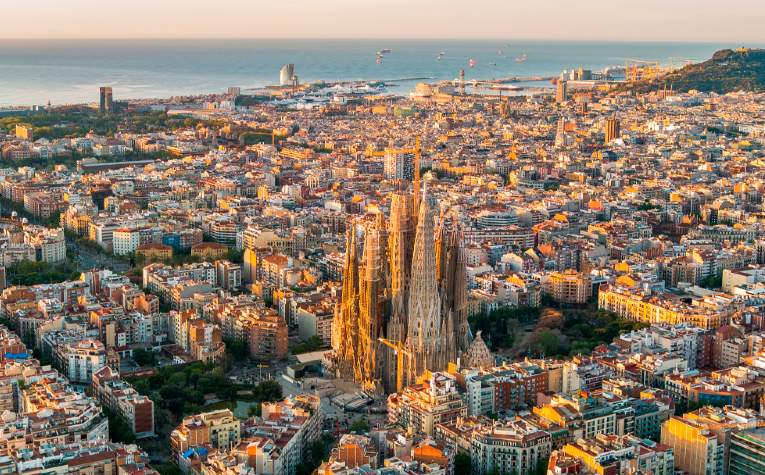
A city where history, design, and urban life coexist, shaping homes with a unique character


A city where history, design, and urban life coexist, shaping homes with a unique character
Barcelona is a city where history and modernity intertwine naturally, and its residential architecture is the best proof of it. From iconic modernist buildings to the most innovative new developments, the Catalan capital offers homes defined by aesthetics, functionality, and a distinctive character. Whether in a new-build apartment or a refurbished historic property, Barcelona provides options that adapt to different lifestyles without losing their identity.
Catalan modernism has left an indelible mark. Works by architects such as Antoni Gaudí, Lluís Domènech i Montaner, and Josep Puig i Cadafalch transformed the skyline of neighbourhoods like Eixample and Gràcia.
Living in one of these buildings is not just about inhabiting a space, but about being part of the city’s history. Ornate façades, intricate ironwork, hydraulic mosaics, and stained glass make each building unique. Interiors, with high ceilings and abundant natural light, continue to set a benchmark for those seeking a home with personality.
In recent years, various projects have restored their former splendour through the comprehensive renovation of modernist buildings, combining original features with more contemporary layouts. These interventions demonstrate that heritage can be updated without losing its essence.

Architecture has the ability to give a second life to formerly productive spaces, turning them into bright, open, and sustainable homes.
Beyond modernism, the city has experienced a surge in adaptive reuse, transforming former factories and offices into contemporary homes. Projects such as the conversion of industrial warehouses in Poblenou show how architecture can reimagine previously industrial spaces, turning them into bright, open, and sustainable residences.
These transformations also respond to growing demand for homes with larger spaces, high ceilings, and flexible layouts, integrating energy efficiency and wellbeing criteria.
Today, Barcelona is also the setting for contemporary residential projects that reinterpret the spirit of the city. Buildings with clean lines, premium materials, and sustainable solutions coexist with architectural gems from other eras, enriching the urban landscape.
Recent new-build developments in Barcelona focus on light, connection with the surroundings, and functionality: spacious terraces, open-plan interiors, cross ventilation, and spaces designed for everyday living. Projects in areas such as Glòries or Diagonal Mar demonstrate how modernity can coexist with history without displacing it.

This architectural narrative takes on even greater significance this year, as Barcelona has been named UNESCO World Capital of Architecture 2026. This recognition highlights not only its modernist legacy, but also its ability to reinvent itself through contemporary projects that combine innovation, sustainability, and quality of life.
Districts like 22@, where refurbished industrial buildings coexist with newly built developments of high architectural value, exemplify this model of a city that evolves without losing its identity, reinforcing architecture’s role as a driver of urban, social, and cultural progress.
Ultimately, homes with architectural character in Barcelona represent a perfect synthesis of past and present. From a refurbished modernist building to a loft created from a former industrial space or a contemporary new-build development, each project clearly reflects the city’s identity.
The key lies in this balance—where architecture, urban life, and design quality merge to create homes that not only fulfil their function, but also enhance the lifestyle of those who choose to live in Barcelona.